A week into 2025, most of our thoughts and questions look to the future. What key economic trends will we see this year? How will the construction industry change over the next year? How can we better serve our clients? Will I keep my New Year’s resolution?
Project Control is reflecting on key industry trends to inform our outlook for 2025. Below highlights some of the most significant changes our project managers observed in 2024, outlined in four categories: Project Management and Market Dynamics, Technology and Innovation, Workforce and Safety, and Sustainability and Environmental Focus.
Project Management and Market Dynamics
- Integrating Key Trades in Design: Our projects experienced increased key trade involvement during design to address long lead times, manage costs, and secure labor resources.
- Heightened Awareness of Project Escalation: In the past year, we experienced increased focus on project escalation, particularly for multi-year projects. We are starting to see stabilization in 2025 but expect escalation rates above 4% through the second quarter.
- Supply Chain Resilience and Awareness: In response to global disruptions, construction companies began adopting more resilient procurement strategies to mitigate delays, including local sourcing and just-in-time logistics. Simultaneously, clients are more engaged in supply chain awareness, prioritizing the product origin in material and product selection.
Technology and Innovation
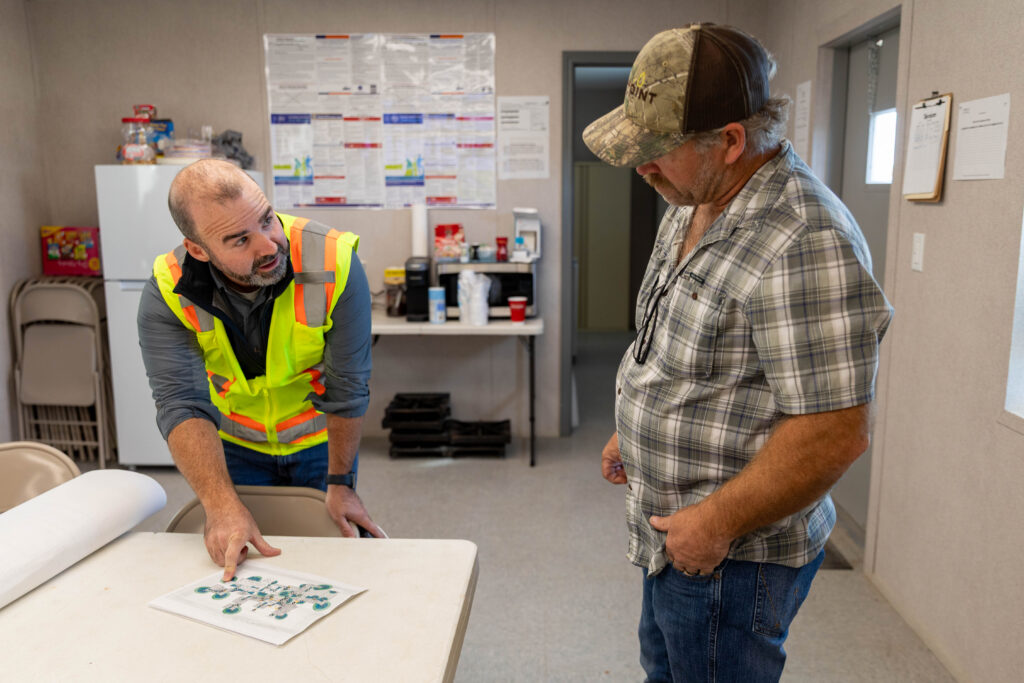
- Cloud-Based Project Management Tools: We witnessed near-universal adoption of cloud-based project management tools, such as Procore, among general contractors, except for very small firms.
- AI and Automation Adoption: Artificial intelligence played an increasing role in workflow management, safety monitoring, and schedule optimization.
- Advanced Drone Technology: We noticed more drones flying over our project sites as drone usage expanded for inspections, progress tracking, and 3D mapping, even window washing.
- Enhanced Digital Twins Usage: We realized a significant use of digital twins for real-time data monitoring and simulation, improving maintenance and planning accuracy.
- Increased Robotics Use: We continue to see robotics revolutionize labor and productivity for tasks like bricklaying, excavation, and demolition.
Workforce and Safety
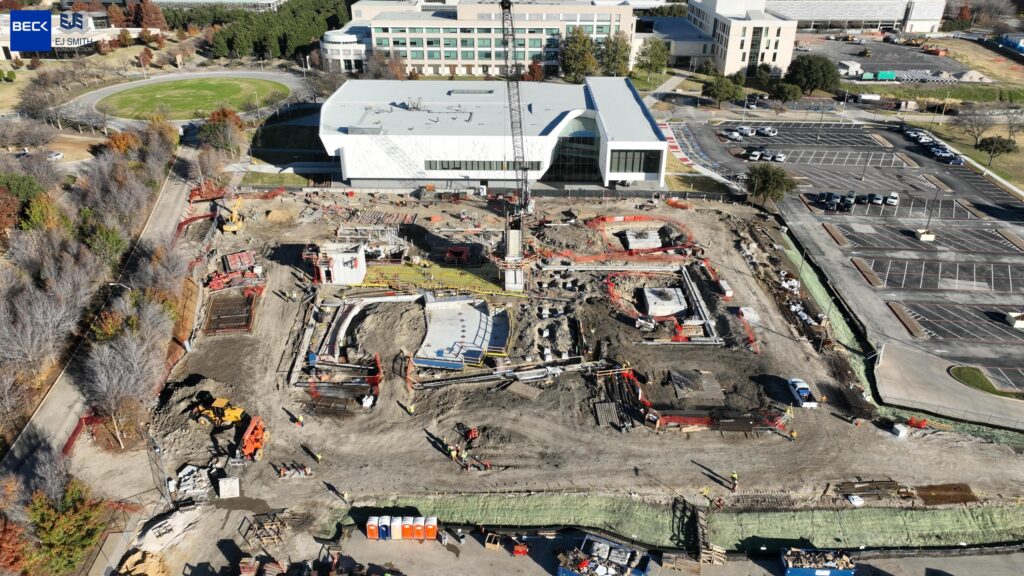
- Labor Shortage and Workforce Development: The ongoing labor shortage brought increased demand for training programs, apprenticeships, and innovative solutions such as robotics and automation to fill gaps. We also witnessed projects competing for labor with high daily stipends.
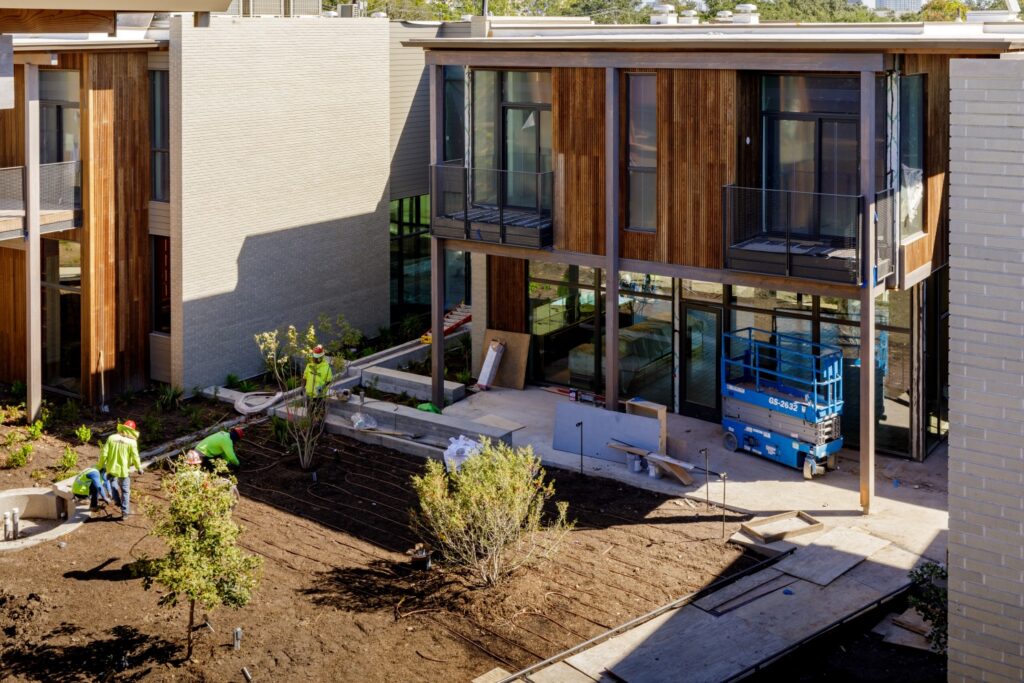
- Safety Technology and Practices Advancements: We saw new technologies across our job sites to improve safety, such as wearable sensors, hazard detection, and virtual reality training. Additionally, there was increased adoption of safety helmets with chin straps and mandatory gloves.
Sustainability and Environmental Focus
- Sustainability and Environmental Quality: There is an ongoing commitment to utilizing green materials and sustainable construction methods, fostering a connection between building occupants and the natural environment.
- Modular/Prefabricated Construction Growth: Our team saw a notable increase in offsite construction methods, including modular and prefabricated elements, helping shorten the schedule and reduce waste and labor costs.
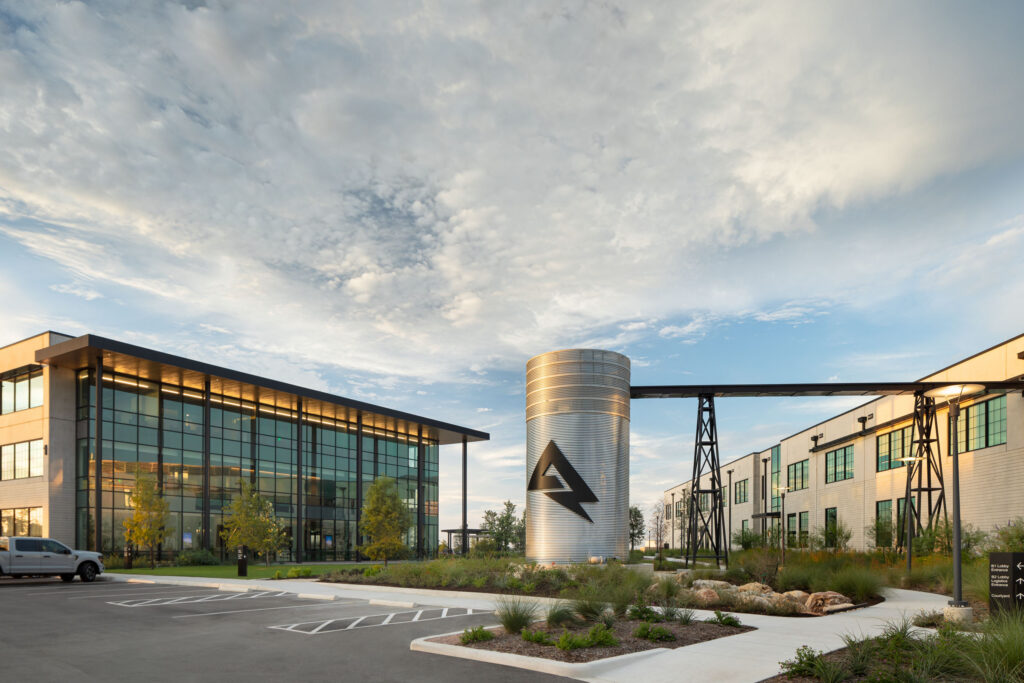
With Project Control’s active projects spanning the United States and Canada across diverse market sectors, these insights hold whether executing an educational facility, a cancer center, a museum, a sports arena, or a fire station.
We are excited about what 2025 holds and to help lead advancements in our industry. We also love conversations about what we see and learn, so do not hesitate to reach out!